May 1957
- charliebunton
- May 5
- 5 min read

The sky unfurled in a brilliant sweep of blue, and the warm, gentle air wrapped itself around Rogers City as if nature itself had chosen to bless the christening of the Str. Rogers City with a perfect day. The air carried that soft, early‑summer warmth that settles on the skin like a welcome hand, and the whole town felt alive—doors locked, lights switched off, classrooms emptied—as if every heartbeat in the community had gathered in one place. Nearly 2,000 people, almost two‑thirds of the town, streamed toward Calcite, their footsteps crunching on gravel, their voices rising in a hum of anticipation.

They came to witness a rebirth.
The vessel once known as the Str. B.H. Taylor stood gleaming at the dock, newly renamed Str. Rogers City in honor of the town that had shaped the Bradley fleet. Her steel hull caught the sunlight, throwing back flashes of silver that danced across the water. The scent of the lake—fresh, cool, faintly mineral—mingled with the smell of machine oil and limestone dust, creating the unmistakable perfume of a working harbor.


At the center of it all stood Rogers City High School senior Nancy Santini, her hands steady despite the excitement buzzing around her. Days away from traveling to Germany as the community’s first foreign exchange student, she lifted the ribbon‑cutting scissors. When the ribbon snapped, the crowd leaned in, breath held. A bottle filled with water gathered from all five Great Lakes swung forward and shattered against the ship’s bow with a sharp, ringing crack.


“With this water from the five Great Lakes,” she declared, “I christen thee, the Steamer Rogers City.”
For a moment, silence—then the harbor erupted. Whistles from every vessel rose in a long, triumphant salute that vibrated in the chest like a drumroll. The Calcite tugs Limestone and Dolomite churned the water into froth as they nudged the new ship into the loading slip. Visitors watched, mesmerized, as stone thundered into her open hatches, echoing like distant thunder.
But the day’s spectacle wasn’t over.
The crowd moved on to the quarry, where a special viewing area had been roped off on the quarry floor. The earth smelled of dust and sun‑warmed rock. When the blast came, it rolled through the ground like a wave—first a deep rumble, then a sharp crack, then a plume of stone and dust rising into the sky like a geyser of earth. People gasped, laughed, clapped, brushing grit from their clothes with wide smiles.
That evening, the celebration shifted to the St. Ignatius gymnasium, transformed for a dinner hosting 400 guests. The air filled with the aroma of warm food and the bright, brassy notes of the Rogers City High School Music Department. Under the direction of Bill Biedler, students performed songs from Oklahoma!, harmonies from the Glee Club, and a lively Roaring Twenties flapper‑style number that set feet tapping and brought bursts of applause.


Just days later, another lakeside community shared its own moment of pride. In Cedarville, the former Str. A.F. Harvey, newly acquired from U.S. Steel’s Pittsburgh fleet, was christened Str. Cedarville in honor of the Upper Peninsula town that supported Michigan Limestone’s Port Dolomite quarry. Eighteen‑year‑old Rita Smith, crowned Queen at her school’s annual carnival, carried out the christening. Her voice rang clear across the water as she spoke the ceremonial words, and afterward visitors toured the ship during an open house. That evening, the plant celebrated not only the new vessel but also an impressive milestone—500 days without a disabling injury.


Meanwhile, life in Rogers City continued to grow and shift. Near 40 Mile Point, Roger Parsons, a 1946 graduate of Rogers City High School, opened Rodge Signs, a business specializing in truck lettering, highway signs, show cards, and window lettering. The scent of wood and fresh paint filled his workspace as he built a business that would soon move to a former service garage beside Plath’s Sanitary Market on Third Street.


The month closed on a quieter, more solemn note.
On Memorial Day, the community gathered again—this time not in celebration, but in remembrance. The parade began at Westminster Church, moving down Main Street in a slow, steady rhythm. Veterans marched with measured steps. The City and High School bands sent music drifting through the warm air. Girl Scouts, Brownies, Boy Scouts, and Cub Scouts walked with flags held high, their uniforms crisp, their faces solemn.

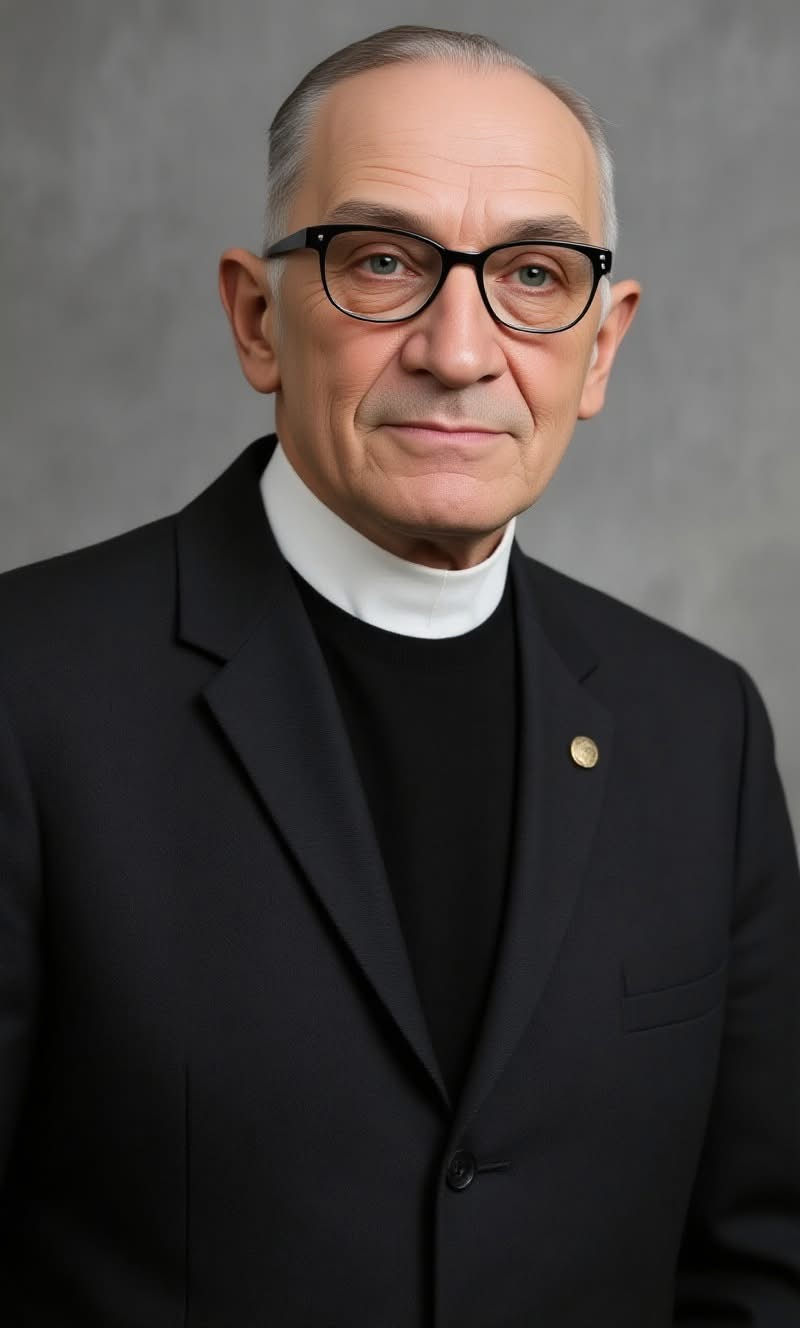
At Memorial Park Cemetery, the crowd settled into stillness. Rev. Adalbert Narloch of St. Ignatius Catholic Church led the service, his voice carrying gently across the rows of markers. The breeze stirred the flags, and for a moment the only sound was the soft rustle of fabric and the distant call of a bird circling overhead.
A month of pride, progress, remembrance, and community—woven like threads in a vibrant tapestry, each moment glowing with its own color, its own sound, its own place in the story of Rogers City.


Comments