May 1954

After years of eager anticipation, countless discussions at dinner tables, and spirited exchanges at shop counters, the long-awaited day finally arrived, marking a monumental occasion for the citizens of Rogers City. On this historic day, they gathered in droves, joining a massive crowd of approximately 15,000 enthusiastic spectators at the picturesque Michilimackinac State Park. The atmosphere was electric, with hearts racing in unison as the thunderous roar of jet planes streaked across the brilliant blue skies, heralding the groundbreaking ceremony of the Mackinac Bridge. This event was not merely a ceremony; it represented a dream realized, a vision of connectivity and progress that had been nurtured within the region for years.

The air buzzed with collective excitement as a magnificent four-mile parade made its way to the ceremony site, a spectacle of sound and color that captivated everyone present. Over 100 vibrant floats, each more dazzling than the last, captured the golden sunlight, creating a kaleidoscope of hues that danced in the warm summer breeze. The crisp beat of drums and the bright blare of brass instruments from 25 high school marching bands echoed off nearby buildings, sending shivers down the spines of onlookers, who were swept up in the jubilant atmosphere. The steady clip-clop of horses' hooves announced the arrival of elegantly adorned carriages from Mackinac Island, carrying dignitaries dressed in their finest attire, their outfits reflecting the significance of the occasion.


Rogers City beamed with pride as its marching band and majorettes paraded through the streets in flawless formation. The sunlight danced off their polished instruments, reflecting the dedication and effort of the talented young musicians. Following closely behind was an impressive chamber of commerce float, boldly declaring "Rogers City, the World's Limestone Center" and "It's Michigan for Year-Round Recreation" in large, fluttering letters that seemed to echo the community's spirit. Standing shoulder to shoulder with neighbors, some clutching rustling programs while others strained on tiptoes for a better view, children perched excitedly on their fathers' shoulders, their wide eyes fixed on the ceremonial first shovel poised to break the rich Michigan earth. This moment was not just about the groundbreaking; it symbolized the beginning of a monumental $100 million, 5-mile suspension bridge destined to transform the landscape and lives of everyone in the region.


For those unable to attend the ceremony in person, the excitement was not lost. They listened intently to the crackling voices of WHAK radio announcers Harry Brege and Harvey and Albert Klann, who vividly painted the scene for listeners, bringing the historic moment into living rooms across the region. Through their descriptions, residents could almost taste the promise of year-round connection between Michigan's two peninsulas—a bittersweet moment tinged with nostalgia for the beloved ferries whose familiar whistles and diesel engine smells had carried them across the straits for generations. As the announcement of the bridge's construction echoed through the air, it marked the end of an era and the dawn of a new chapter in history.
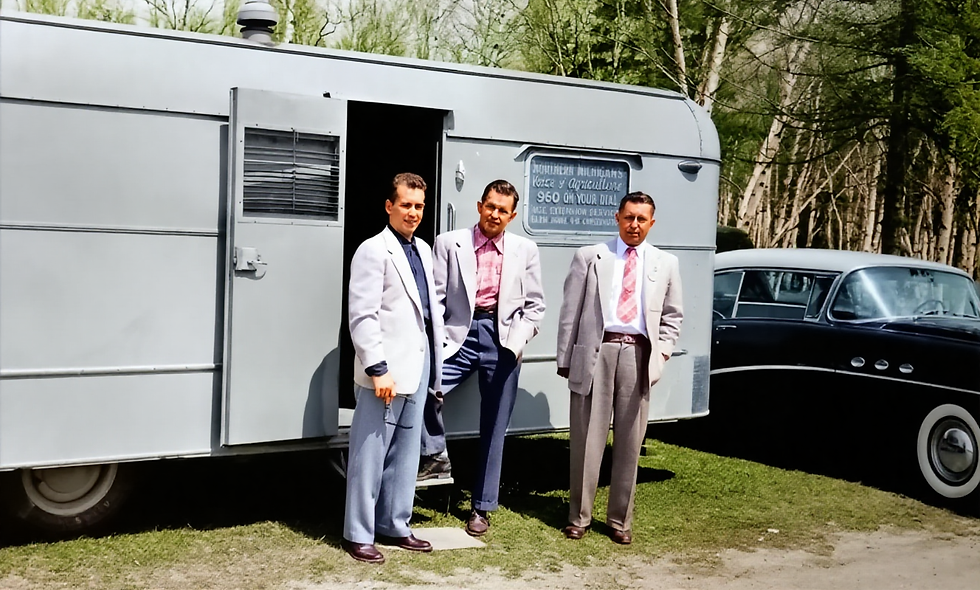


Work would commence almost immediately, with Rogers City's own precious Calcite limestone being poured from Bradley Transportation Company ships to form the mighty bridge's foundations. The aggregate cascaded into the massive caissons with a sound reminiscent of distant thunder, heralding a new era of engineering marvels and infrastructural advancements.


In the spirit of community involvement, members of Rogers City's local Boy Scout and Cub Scout troops joined others nationwide in an ambitious project titled "Conservation Good Turn," which was sponsored by President Eisenhower and the Department of Conservation. A kickoff meeting was held at Westminster Church, hosted by local civic organization sponsors including the Sportsmen's Club, Lions Club, Kiwanis Club, and local conservation officer Ned Curtis. During this meeting, Curtis described their vital role in educating the public on the importance of protecting natural resources and showcased a series of films designed to excite the young boys for the challenging work that lay ahead. Each troop was tasked with creating two pictorial window displays per week over the course of six weeks, which would be proudly showcased in local shop windows, further fostering a sense of community and environmental stewardship.


Meanwhile, there was a buzz in the air at Rogers City High School as the spring sports season kicked off with both baseball and tennis. Students were captivated not only by the thrill of competition but also by the new song dominating the airwaves, "Rock Around the Clock" by Bill Haley and the Comets. This catchy tune marked the start of the Rock and Roll era, resonating with the youthful exuberance of the students and adding to the vibrant cultural tapestry of the time.

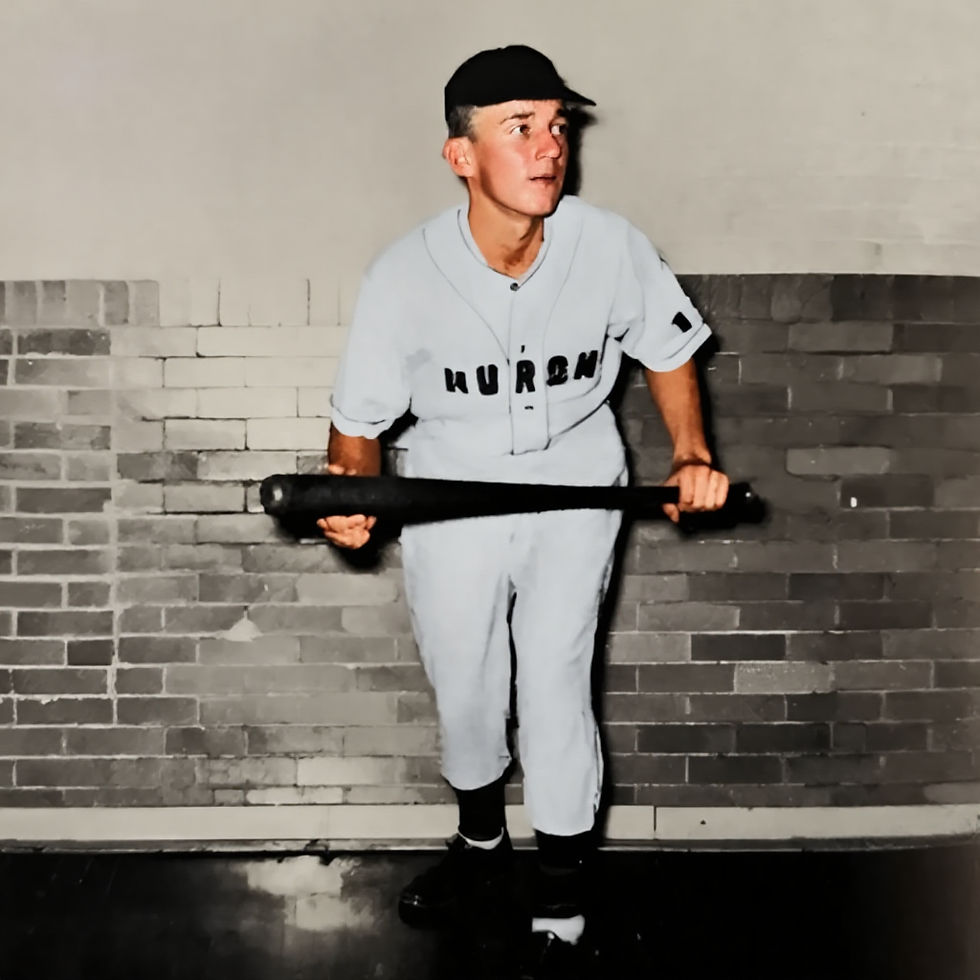


In addition to the celebrations surrounding the bridge, several local citizens, including Mayor Kenneth Vogelheim and James Quinn, traveled to Mt. Pleasant to honor a beloved local alumnus, Dan Rose, who was celebrated at Central Michigan University. The "Dan Rose Day" festivities were a heartfelt tribute to the coach who dedicated 25 years of his life to developing young men in athletics. The day was filled with a reception at the university fieldhouse, a delightful chuckwagon dinner, and a ceremony featuring notable college alumni in both athletics and education, all of whom spoke to the profound impact Rose had on countless lives. Having decided to retire from coaching earlier this year, Rose now focused solely on his role as the athletic director, continuing to influence the next generation of athletes.


Comments