May 1947
- charliebunton
- Jun 20, 2025
- 3 min read

What began as mere whispers soon escalated into urgent phone calls and visits to neighbors' yards when the devastating news of Congressman Fred Bradley's untimely death spread like wildfire through the close-knit community. The atmosphere became thick with a somber silence that enveloped the town, effectively replacing the usual morning sounds that typically filled the air: the rhythmic calls of fishermen setting out in their boats to the tranquil waters of Lake Huron, the familiar clinking of shop owners as they opened their doors to start another day of business, and the distant, comforting hum of Calcite’s operations. The loss was immense, a collective grief that weighed heavily on the hearts of residents who had come to regard Bradley not just as a politician, but as a devoted public servant and a cherished member of the community.


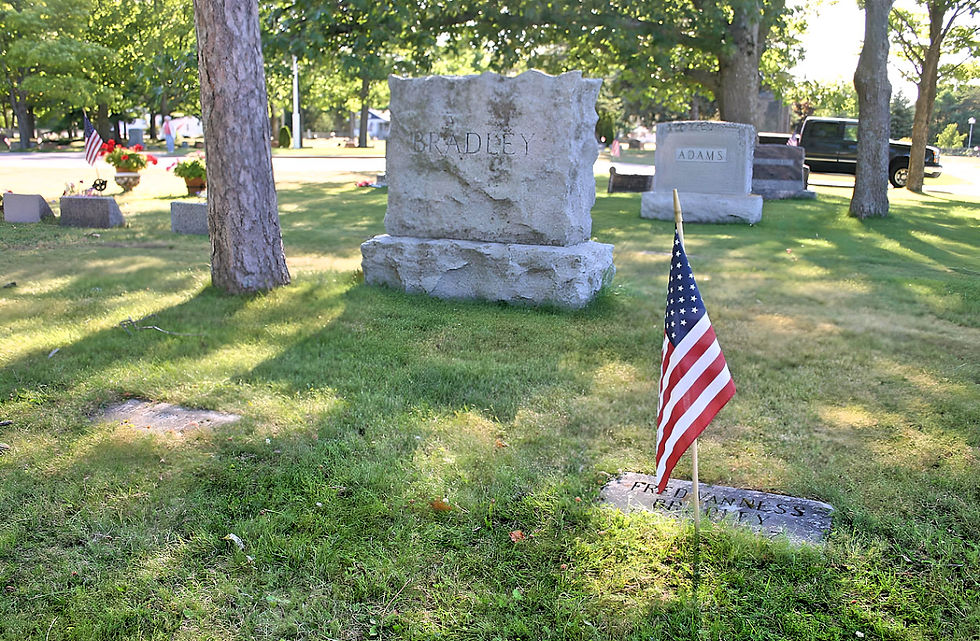
Congressman Bradley, who held the esteemed position of Chairman of the House Merchant Marine and Fisheries Committee, suffered a massive heart attack while attending graduation ceremonies at the United States Coast Guard Academy in New London, Connecticut. At only 48 years old, his life was abruptly cut short, leaving behind a legacy that would resonate throughout the community for years to come. The Advance paid tribute to this hometown hero the following week with a poignant article titled "Fred Came Home Today by Plane," capturing the deep sense of loss felt by all who knew him. In a final act of love and remembrance, Bradley was laid to rest in Memorial Park Cemetery, side by side with his infant son, a heart-wrenching reminder of the fragility of life.


In the midst of this sorrow, life in Rogers City continued to unfold. The Rogers City Huron baseball team began their season on a hopeful note, achieving a 2-1 victory over Hillman. This year's roster boasted a talented lineup of starters, including Delmar Hopp, Dick Wing, Dale Basel, Bob Karsten, Frank Richards, Leonard Parsons, Sparky Fleming, Ray Savina, and Don Carrow, all under the guidance of coaches Jim Quinn and Harry Randall.

In the realm of business, a wave of optimism emerged as John Parsons announced the reopening of Rainbow Gardens after extensive interior redecorations. The establishment now featured new draft beer equipment and an expanded exterior, ready to welcome back patrons eager for a place to gather. Next door, the conclusion of the 1946-47 bowling season brought joy and celebration to local businesses, with Kate's Dress Shop, Frank Buza's Sun Life Insurance, Greka's Tavern, and Johnny Parsons' Rainbow Gardens each claiming their respective championships, a testament to the community's competitive spirit and camaraderie.


In an exciting development for the local entertainment scene, the Rogers Theater, once operated by Walter Kelley, changed hands and was sold to Charles Vogelheim, while Tom Hawkins continued in his role as manager, ensuring that the community would still have access to films and performances that brought them together. Meanwhile, McCutcheon's Gas and Appliances made a significant move to a new location in the Hoeft building at the corner of Third and Erie Streets, signaling growth and adaptation in the local business landscape.


In a noteworthy change for the region's recreational management, Lee Caldwell from Levering arrived this week to take over the management of Hoeft State Park. A dedicated husband and father of three, Caldwell had recently been stationed at Wilderness Park north of Harbor Springs and was now stepping into his new role with enthusiasm. He replaced John Reagan, who had been transferred to the Pontiac Recreational Area, marking a new chapter in the stewardship of the park that many locals cherished for its natural beauty and recreational opportunities.

As the community navigated the waves of grief and change, the resilience and unity of Rogers City shone through, reminding everyone that even in the darkest of times, life continues, and the bonds of community strengthen in the face of adversity.



Comments