August 1955
- charliebunton
- Feb 6
- 4 min read

Lakeside Park shimmered like a promise, the kind of place where summer felt endless and the air carried the warm scent of sunbaked sand and charcoal smoke. Families drifted toward the lake as if pulled by an invisible tide, towels slung over shoulders, radios humming faintly with the hits of the day. The heat pressed down, thick and humid, but the cool breath of Lake Huron offered relief the moment bare feet touched the shoreline.


Children’s laughter rang across the park, bright and unrestrained. They raced toward the playground, metal slides warmed by the sun, swings creaking as they arced high enough to make stomachs flutter, monkey bars clanging under small, determined hands. Mothers watched from blankets spread across the grass, the scent of Coppertone mixed with the sweetness of melting popsicles. Fathers tended the grills, smoke curling upward as hot dogs sizzled and hamburgers hissed, the aroma drifting across the park like an invitation. These were the days that stitched themselves into memory—sunburned shoulders, sandy toes, and the quiet knowledge that school was waiting just beyond the horizon.

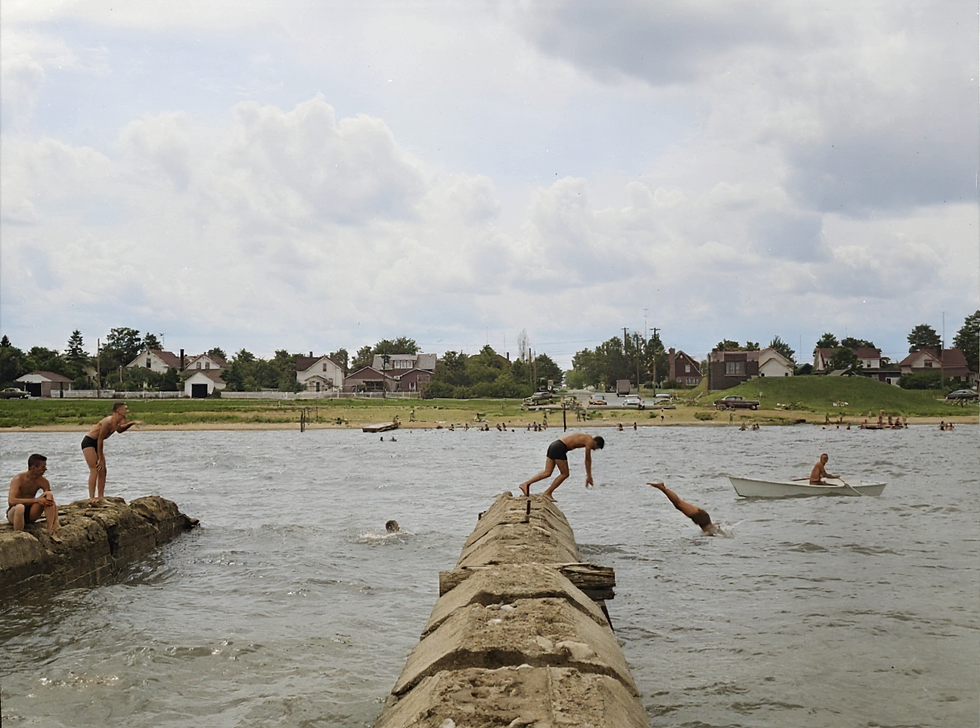


Out on the water, the lake held its own rituals. Anglers cast their final lines of the season, the soft plunk of bait breaking the surface and the rhythmic whir of reels filling the air. Hopes ran high for one last brag‑worthy catch before classrooms and work routines reclaimed their hold. Local shops buzzed with the season’s final rush—Bert’s Bait and Tackle, run by Bert and Loraine Cadieux, brimmed with night crawlers, minnows, worms, rods, reels, and lures. The wooden floor creaked under the weight of fishermen stocking up, the smell of fresh bait and lake water clinging to the air.


But even in a month painted with sunlight, shadows found their way in. The community was shaken when David Jarvis of Ocqueoc, a 26‑year‑old deckhand on the Str. Carl D. Bradley, vanished into the harbor waters. As the ship eased away with its load of limestone, cries for help pierced the air. The captain of the nearby Str. Moody swung a spotlight across the dark surface, catching only a fleeting glimpse of something pale before the harbor tugs swept in to search. Hours later, the truth settled heavily: Jarvis, a familiar face in town and a favorite at the Rogers City Boxing Club, had not reported for his watch. Weeks passed before Captain Richard Lyons of the White Swan spotted the body drifting near the northwest wall. The loss rippled through the community, leaving behind the ache reserved for someone young, known, and full of promise.


Tragedy struck again when a T‑6 Basic Trainer aircraft plunged into Lake Huron near Manitou Shore, only 300 yards from land. The crash shattered the quiet afternoon, sending up a plume of spray and an oily sheen that spread across the water. Joseph Klein, Richard Beever, and Wayne Selke rushed toward the site in a small outboard boat, hearts pounding, scanning the surface for any sign of life. Wreckage bobbed in the waves, but the lake kept its silence. Hours later, planes and a naval craft joined the search, but hope had already begun to dim.
Captain Lester Singleton and Airman 1‑c George McLaughlin—members of the 127th Fighter‑Interceptor Wing—were gone. Singleton, a seasoned pilot who had flown cargo planes across the European Theater in World War II, carried more than 2,600 hours of flight time and the highest aeronautical rating for his rank. McLaughlin’s wife and four children, staying in a nearby cabin, witnessed the crash without knowing at first whether he was aboard. Their grief became the community’s grief.


August left Rogers City with memories warmed by sunlight and laughter, but also with the solemn reminder that even the brightest summers can be touched by loss. The lake that gave so much—cool relief, adventure, joy—held its own mysteries and sorrows. And as the season faded, the town carried both the sweetness of its summer days and the weight of the lives it mourned.


Comments