February 1954

The crisp February air carries an intoxicating blend of fragrances -- velvety red roses mingling with the rich, sugary sweetness of milk chocolate, creating an aromatic valentine that drifts through shop doorways and down snow-dusted sidewalks. Inside local retail stores, tissue paper rustles as shopkeepers arrange boxed chocolates tied with satin ribbons, their windows glittering with jewelry that catches the winter light. Young couples pause to admire the displays of trinkets and treasures, their breath forming small clouds in the cold as they discuss the perfect gift.


The excitement reaches fever pitch at Rogers City High School, where the polished gymnasium floor still gleams with the sweat of victory. The crowd's roar from the varsity basketball game -- a satisfying 53-44 triumph over the Canadian Soo -- still echoes in memory. Sweet revenge against the only team to defeat them this season tastes as good as the chocolate hearts being passed between students.
Now the gymnasium transforms. White carpet unfurls like fresh snow down the center aisle, bordered by crimson and alabaster streamers that flutter with each opening door. The court assembles -- Jackie Miller and Donald Kamyszek, Lois Ramsey and Bill Shay, Judy Hein and Jim Gilbertson, Bonnie Robarge and Bob Crittenden -- each pair representing grades eight through twelve, chosen by the democratic whispers and folded ballot papers of their classmates earlier that week.


The girls glide forward in ballerina-styled gowns of pristine white net that whisper with each step, their wrists adorned with corsages of white carnations, each centered with a single crimson bloom like drops of valentine against winter. The boys stand tall, red and white boutonnieres pinned crisply to their lapels, the carnation petals soft as crushed velvet under nervous fingers.
Then come the monarchs. Queen Louise Hilla, cradling a heart-shaped bouquet where red and white carnations intertwine like the very spirit of the holiday, processes beside her King, Richard Kuznicki. Together they ascend the throne, their crowns placed gently upon their heads by teacher Donald Belland, his hands steady with the weight of tradition. The first dance begins -- just the King and Queen and her court -- before their classmates flood the floor, feet moving to music that fills every corner of the warm gymnasium.


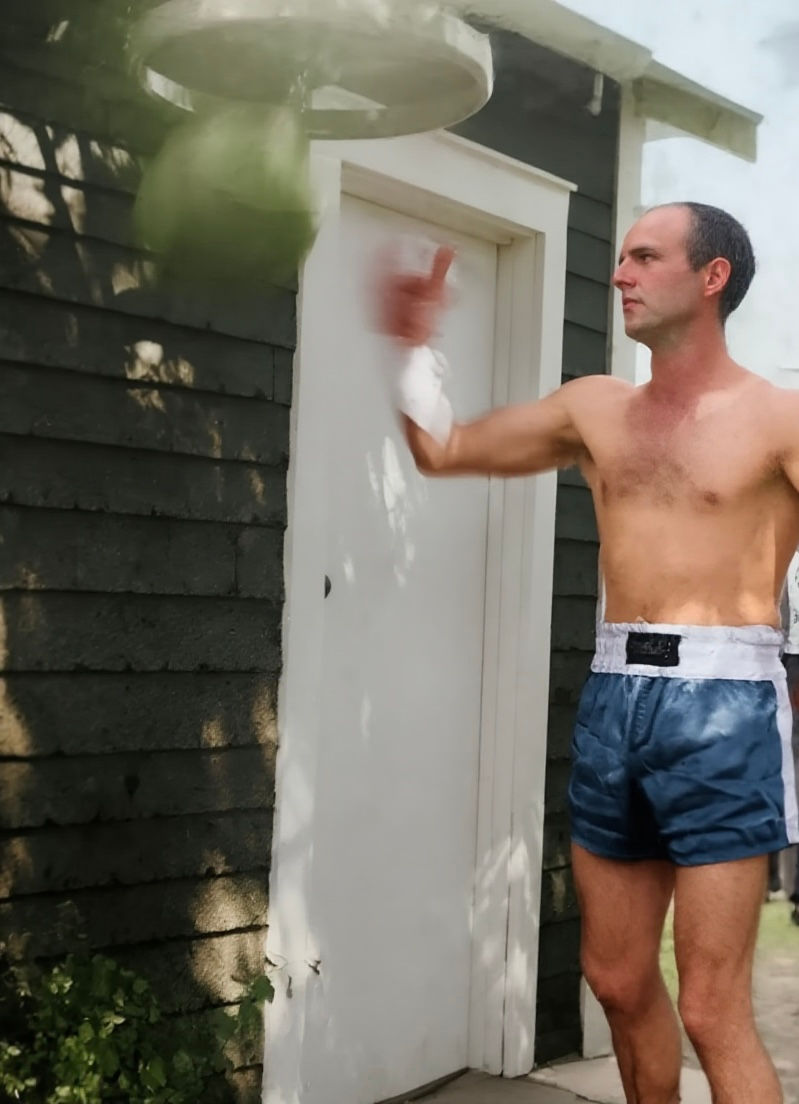
Days later, the same gymnasium floor would absorb a different kind of energy as the local Kiwanis Club sponsors the season's first boxing show. The capacity crowd packs the bleachers, the air now thick with anticipation, popcorn salt, and the sharp tang of athletic determination. Coach Bert Cadieux has prepared his fighters meticulously -- Jerry Yerks, Kenny Kerr, Herman Vogler, Leo Promo, Mike Kerr, Don Kamyszek, Leland Jarvis, Chuck Paquette, Ray Goodin, and Merlin Grulke all step through the ropes against opponents from Alpena and Gaylord.

Thirteen bouts unfold. Leather gloves thud against flesh and canvas. Though victory proves elusive for the home team this particular night, the crowd receives something just as valuable -- an exhilarating evening of pure entertainment, the kind that binds a community together through shares experience, win or lose.
Beyond the gymnasium walls, Rogers City celebrates another kind of triumph. News arrives from the University of Illinois that Norman Dietz -- local alumnus and now director of the Central Michigan University band -- has received extraordinary recognition. His composition "Prelude and Scherzo" has been named the most outstanding work at the National Conference of Band Directors. Dietz takes the baton and faces the crowd as the University marching band brings his work to life.

In Belknap, the congregation of St. Michael’s Lutheran Church comes together to welcome Rev. Harold Molzan, arriving from New Baltimore with his wife, Florence, and their ten-month-old daughter, Pamela Sue. Bringing both experience and enthusiasm, Molzan had grown his previous congregation from 45 to 115 members. What no one realizes yet is that this moment marks the start of fifty years of dedication, during which Pastor Molzan will become a beloved fixture in the community—baptizing, confirming, and marrying generations of local youth, and earning a reputation for his daily walks through town, hand raised in greeting to every passing car, pausing to chat with strangers, friends, and neighbors alike, a living blessing moving through the streets.


Comments