December 1957
- charliebunton
- 2 days ago
- 4 min read
Snow drifted over Rogers City in soft, steady sheets, the kind that muted the world and made every streetlamp glow like a lantern in a storybook. Inside that winter hush, the students of Rogers City High School were wide awake with energy, purpose, and the kind of hope that only a small town in deep winter can hold.
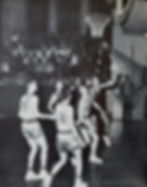
The Rogers City Hurons varsity basketball team, under the steady hand of Coach George Noch, burst into their season with a 61–41 victory over the Saints of St. Ignace. Six seniors, one junior, and four sophomores made up the roster, but it was team captain Jim Bisson who became the heartbeat of the squad. Night after night he pushed the Hurons forward, racking up 245 points—an average of 15 per game—and guiding the team to a proud 12–5 record. In a season defined by cold nights and long bus rides, Jim’s leadership became a reminder that determination can warm even the iciest months.






Across town, another kind of winter excitement was taking shape. Senior Geraldine Flewelling, a member of the newly formed ski club, earned top honors in the first annual Black Mountain Ski Patch contest. Her winning design—two parallel skis and ski poles set against the silhouette of Black Mountain with the words Ski Black Mountain—captured the spirit of northern Michigan winters with striking simplicity. The three‑inch patch, soon to be produced in red and black on a white background, would be sold at the ski area, destined to appear on jackets and ski pants all season long. Geraldine's design rose above fifty entries submitted by students from Rogers City, Onaway, and Cheboygan, a triumph that made her name ripple proudly through the halls of the high school.

Winter magic continued indoors as well. The Rogers City Elementary School gymnasium transformed into a shimmering wonderland for the senior prom, themed "Fantasy in Frost." Hundreds of paper snowflakes hung from the rafters, Christmas trees lined the walls, and soft winter décor turned the familiar gym into something dreamlike. The newly formed high school dance band, the Music Makers, under the direction of Del Conley, played their first public concert that night. Their music—earnest, bright, and full of youthful confidence—carried students across the floor as they danced late into the evening, creating memories that would linger long after the decorations came down.

But even in a season of celebration, the community faced challenges. Conversations about juvenile delinquency grew urgent after a troubling rise in youth vandalism, including the damaging of forty‑three tombstones at Memorial Park Cemetery by three local teenagers. Two boys were sentenced to attend the Boys’ Vocational School in Lansing, while the third was placed on probation. The incident shook the town, prompting a gathering of concerned citizens, city council members, local service organizations, and Judge Joseph Buza. Together they confronted the question of how to guide their youth back toward responsibility and community pride.


In response, the city enforced a nightly curfew, with violations resulting in fines or exclusion from school activities. A youth referral committee—made up of clergy, law enforcement, and school personnel—was formed to address future behavioral issues and connect struggling teens with the resources they needed to grow into responsible adults. It was a reminder that even in a close‑knit town, vigilance and compassion must work hand in hand.
As December drew to a close, the heaviness of those discussions gave way to the warmth of the Christmas season. Families gathered in living rooms glowing with tree lights, and children bundled in wool coats lined up eagerly to meet Santa Claus. They climbed onto his lap with wide eyes and hopeful hearts, whispering their wishes: Roy Rogers and Dale Evans dress‑up clothes, baby dolls, pull toys, and the newest sensation sweeping the country—the Frisbee. Afternoons were spent circling favorite treasures in the Sears Christmas Catalog, dreaming of what might appear beneath the tree.


In the end, winter in Rogers City was exactly what it had always been: a season of contrasts. Triumphs on the basketball court. Creativity on the ski slopes. Music and magic at the prom. Hard conversations about responsibility. And the timeless joy of Christmas, glowing softly through every frosted window. It was a month that reminded the town—students, parents, teachers, and neighbors alike—that even in the coldest season, the spirit of a community can burn bright.
